
East Gippsland Adventures | Croajingolong & Snowy River
East Gippsland feels worlds away from Melbourne — a place of wild estuaries, overgrown forests, towering coastal dunes, and remote walking trails. From the solitude of Croajingolong National Park to paddling the Gippsland Lakes, this corner of eastern Victoria rewards those willing to venture further.
When I first moved to Victoria, a lot of our activities centred near Melbourne and its sprawling outskirts. Such places were easy to access and made for achievable weekend trips. As time went on, our curiosity about more distant destinations grew, helped along by the quality of the eastern coast thus far; we started asking, what was there to experience slightly further away? What would the reward be for extra effort? This began our experimentation with the farthest reaches of the state, buried deep within the pointing fingertip of eastern Victoria. What we found was a world thoroughly removed, geographically and experientially, from the state capital.
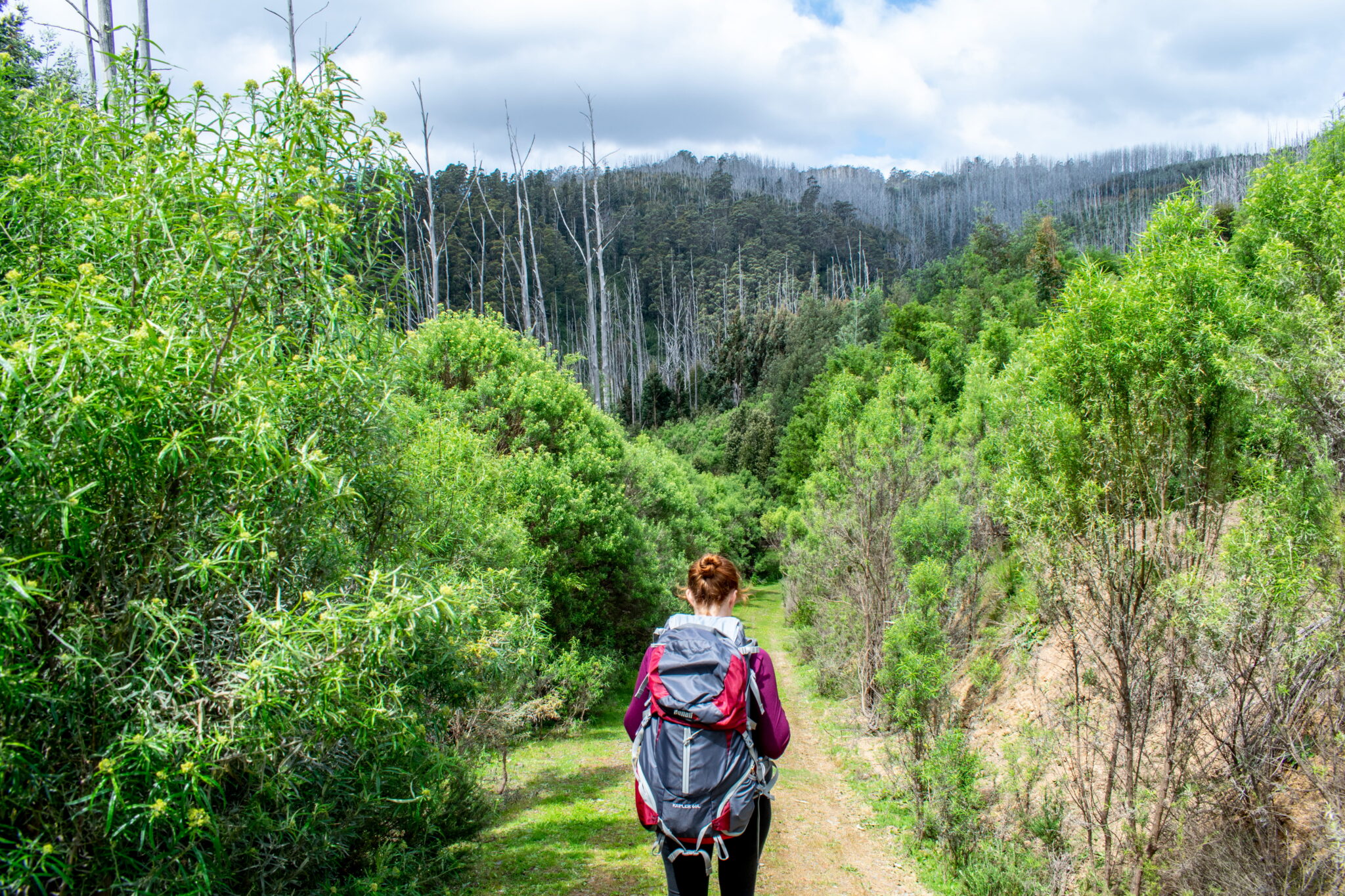
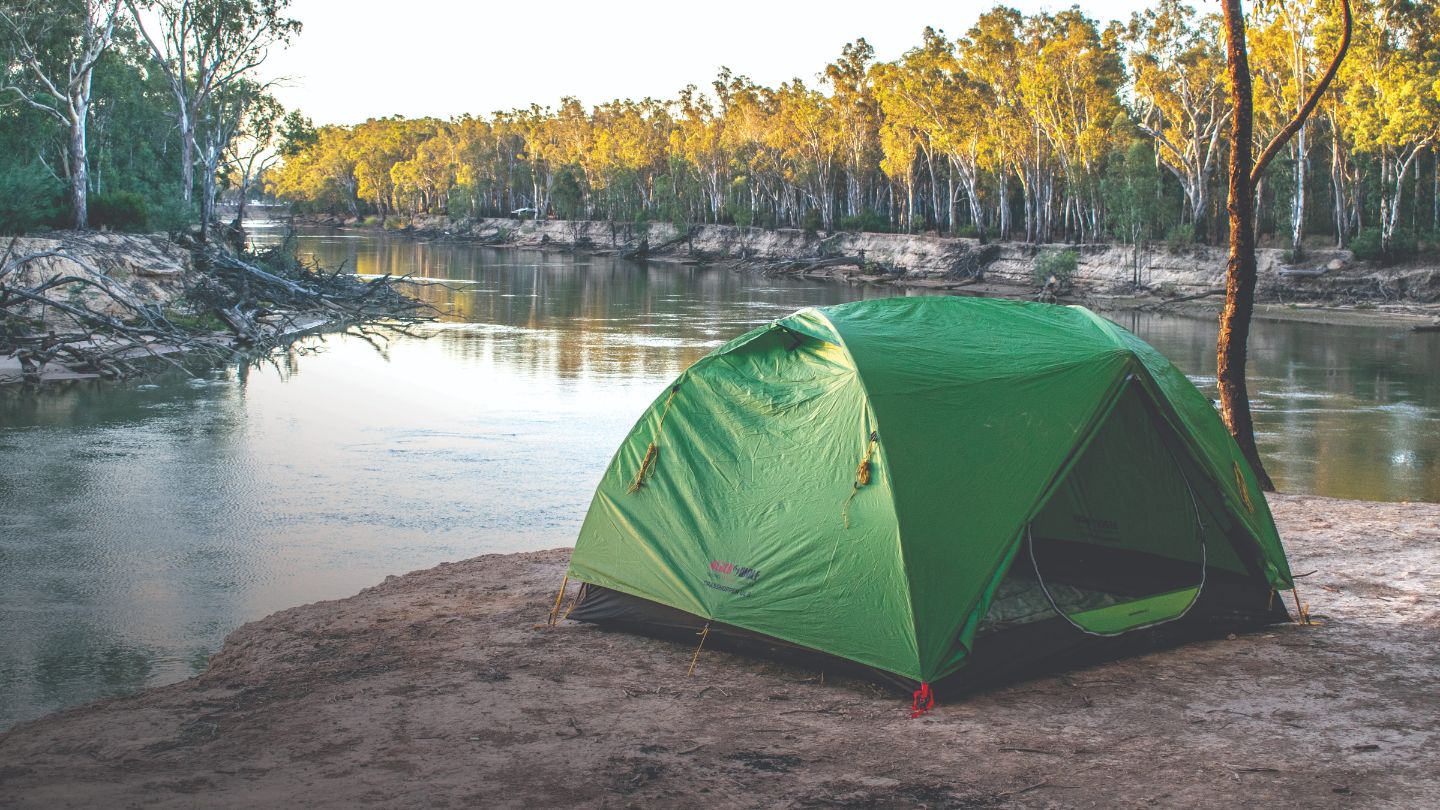
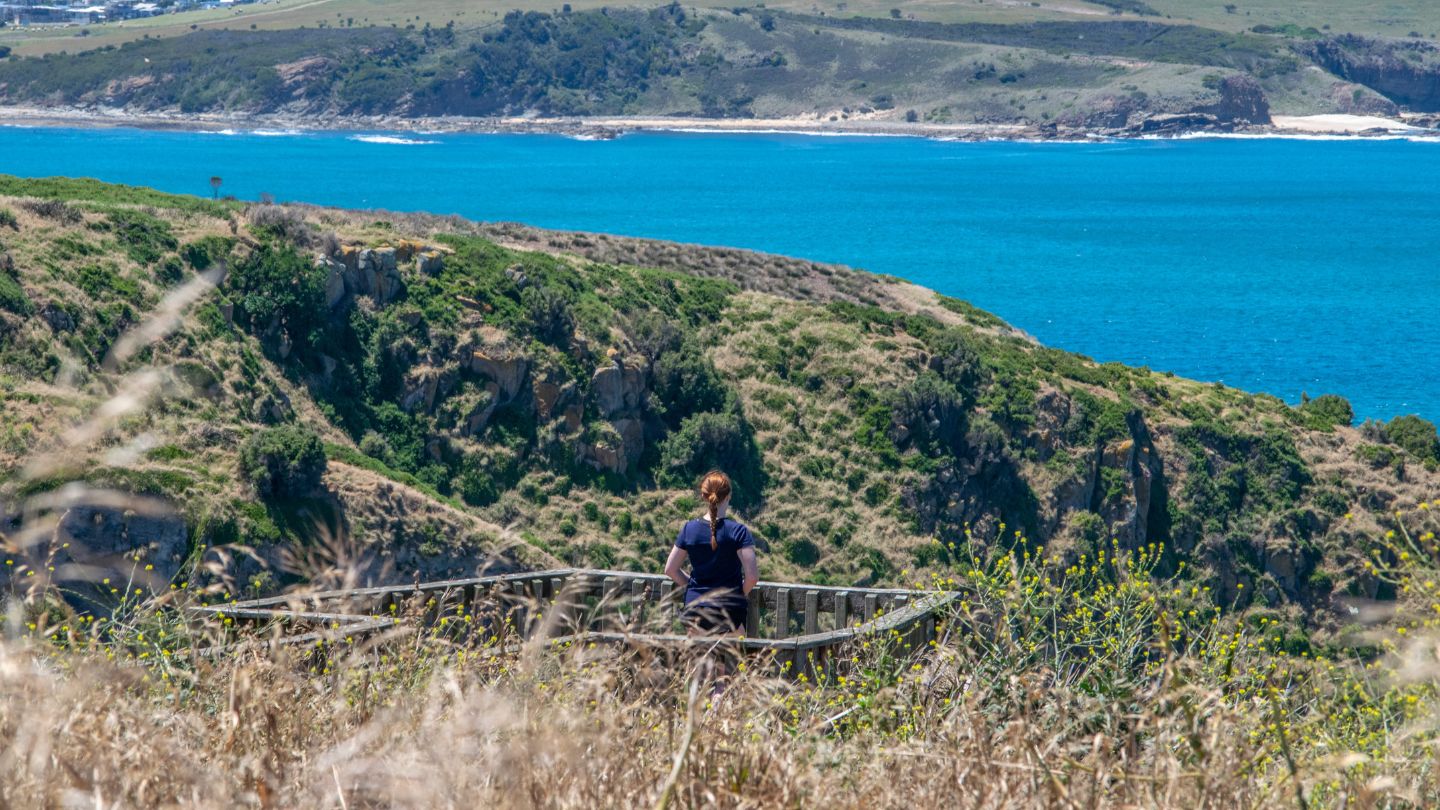
The coast along here, for a large part, is less your battered punching bag, more your estuary-style harmonisation, with land and water fusing together seamlessly. This makes for some nice places to paddle, such as the Gippsland Lakes, with seaside towns of Lakes Entrance and Metung being good places to base yourself. There’s a lot going on inland, too — the 25km Mitchell River Walking Trail in Mitchell River NP, 16.5km Silver Mine Walk in Snowy River NP, and the 21km Tarra Valley Loop in Tarra Bulga NP. We struggled to follow this latter loop just by going off the signs; it mostly follows old overgrown fire tracks, packed with eucalyptus and ferns, as well as a lyrebird and wombats. Though it required some roughing it, it definitely felt, sceptic though I am, that I was tuning into some whispery secret of the forest.
Furthest away from it all is Croajingolong National Park. This is not your round-the-corner milk run; it’s a solid six hour drive away for most of the state’s population. The whole region suffers from an information shortage, being so remote, but that can make the discoveries all the more rewarding and the experiences less calculated. Last time we stayed at the campsites at Thurra River, and were gobsmacked by the scale of the dunes out the back, and the vistas they offered; just as we were by the awesome sunset breaking through the gnarled storm clouds over the ocean near Point Hicks Lighthouse.
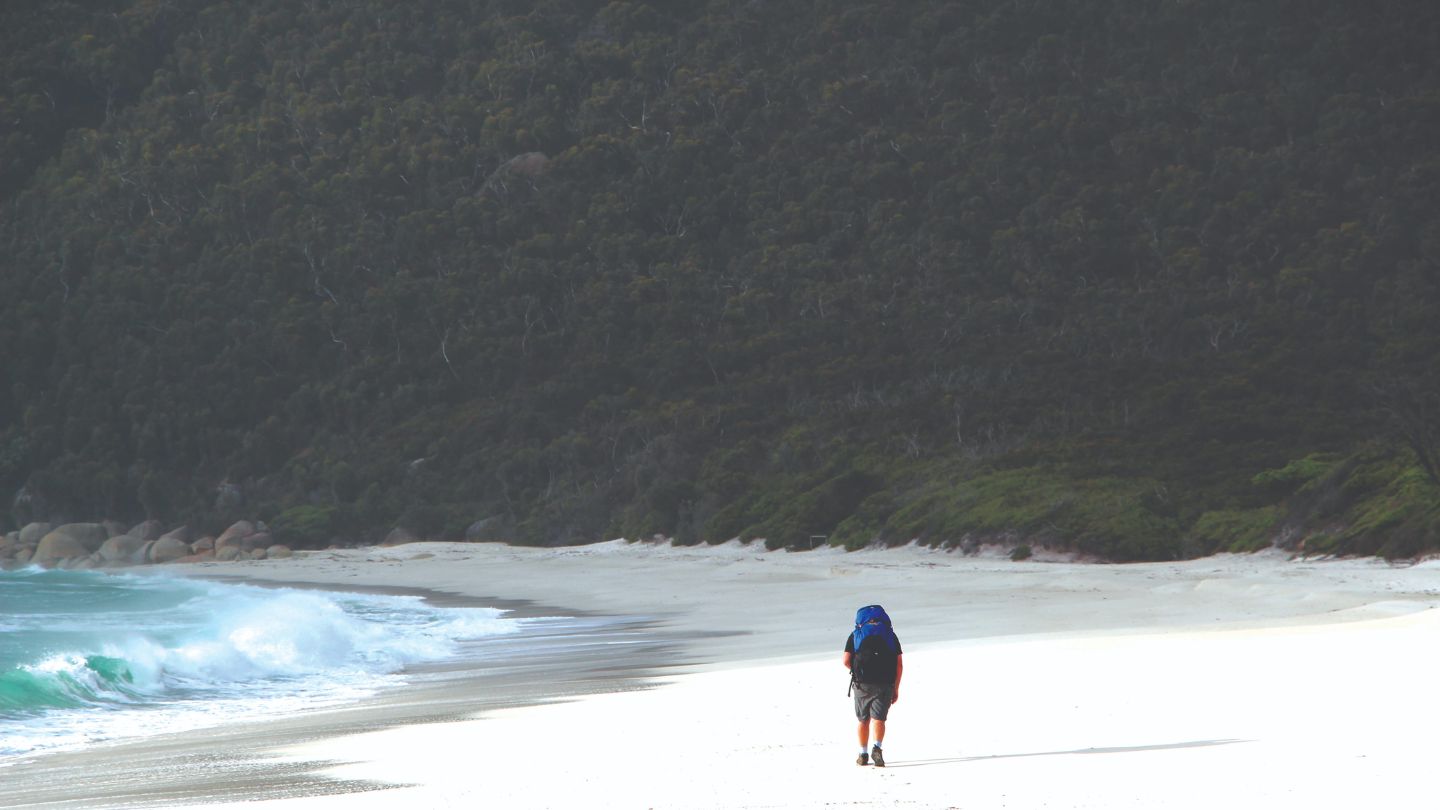
We’re really keen to hike the 100km Wilderness Coast Walk, or a fragment of it soon — forging through tidal crossings, getting lost and fumbling with a compass, pitching to the beach, no signs of human development, just the ocean’s song — but the one-way journey is a big logistical challenge, unless you have the time or will-power to backtrack to your car. Still, the genuine middle-of-nowhere, desolation coast vibes of the place have been working on me for a few months now and are sure to soon succeed.